

 Richard Kahn
TL;DR:
- Click spamming (click flooding) is an ad fraud tactic that generates large volumes of fake ad clicks to steal attribution.
- Fraudsters exploit last-click attribution models by attempting to appear as the final click.
- The primary impact on advertisers includes wasted advertising spend, stolen attribution credit, and distorted marketing performance data.
- Research has found that a significant portion of ad-network clicks may be fraudulent, highlighting the ongoing challenge of detecting attribution fraud.
- Click spamming relies on generating large volumes of fake clicks, while click injection steals attribution by injecting a click immediately before an install occurs.
- Auditing traffic sources and using dedicated detection services like Anura allow advertisers to fight back against click spamming from stealing their ad budgets.
What Is Click Spamming?
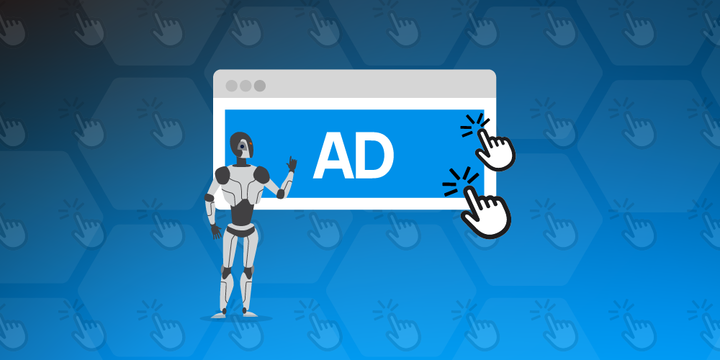
Click spamming (also called click flooding) is a form of digital ad fraud where fraudsters use automated scripts, bots, malware, or human fraud to generate massive volumes of fake clicks on online ads. Fraudsters do this to trick advertisers into paying them for non-genuine engagement.
The practice is also commonly called:
- Click flooding
- Organic poaching
- Attribution hijacking
For advertisers, click spamming creates three major problems:
The practice is also commonly called:
- Wasted ad spend
- Stolen attribution credit
- Distorted marketing data
Because attribution systems often rely on this “last click” attribution, fraudsters only need a tiny percentage of their fake clicks to be incorrectly credited to generate revenue. This is the click equivalent of throwing spaghetti at a wall. While the users may be completely unaware anything is happening, advertisers end up paying commissions and allocating budget to sources that never converted.
How Does Click Spamming Work?
Click spamming is common on mobile, web, affiliate and other digital platforms. A real world click-spamming attack could work like this:
Step 1: A User Downloads a Fraudulent App
The user often has no idea fraud is occurring. The app may appear harmless and look like a:
- Calculator app
- Flashlight app
- Wallpaper app
- Utility app
- Mobile game
Step 2: Background Clicks Are Generated
The app secretly floods click events to attribution providers while running in the background. No ad is viewed. No genuine click occurs.
Step 3: The User Installs Another App
The user later downloads a completely unrelated application. Because of the click flooding, one of the fraudulent clicks may trick the attribution model and appear to be responsible for the install.
Step 4: The Fraudster Gets Paid
The fraudster receives attribution credit and gets payment despite contributing nothing to the conversion.
Three Important Click Spamming Statistics
Research Found That Roughly One-Third of Ad-Network Clicks Can Be Fake
- Researchers behind the Clicktok project at Cornell University noted that previous measurement studies reported approximately one-third of clicks supplied by ad networks were fraudulent, highlighting the persistent challenge of detecting organic click fraud.
Vastflux Infected 11 million Devices and generated 12 billion ad requests per day
- Independent researchers uncovered the Vastflux ad-fraud operation, which affected approximately 11 million mobile devices and generated up to 12 billion fraudulent ad requests per day while spoofing more than 1,700 apps.
Researchers Found 157 Fraudulent Apps Among Top-Rated Apps
- A large-scale academic study from ACM Digital Library examined 120,000 apps and identified 157 fraudulent applications among the top-rated 20,000 apps. Researchers found increasingly sophisticated "humanoid attacks" capable of mimicking legitimate user behavior.
How Click Spamming Compares to Other Types of Advertising Fraud
Click spamming is only one form of advertising fraud. While it specifically targets attribution systems by generating large volumes of fraudulent clicks, other fraud tactics exploit different parts of the advertising ecosystem.
Some of the most common forms of advertising fraud include:
Click Fraud:
- Fraudsters repeatedly click advertisements to drain advertising budgets without any intention of becoming customers.
Click Spamming (Click Flooding):
- Large numbers of fake clicks are generated in hopes that some will receive credit for future conversions through last-click attribution models.
Click Injection:
- A fraudulent click is triggered immediately before a conversion occurs to steal attribution at the last possible moment.
Impression Fraud:
- Fake impressions are generated to inflate advertising metrics and increase revenue for fraudulent publishers.
Bot Traffic:
- Automated programs imitate human visitors, creating fake website sessions, ad views, clicks, and engagement signals.
Click Farms:
- Groups of low-cost workers manually perform clicks, installs, signups, or other actions to mimic legitimate user activity.
While each tactic operates differently, the goal is often the same: earning advertising revenue or attribution credit without generating genuine customer interest. Understanding the differences between these fraud types helps advertisers identify where invalid traffic is entering their marketing funnel and what protections are needed to stop it.
Click Spamming vs. Click Injection
Many marketers confuse click spamming and click injection. The main difference comes down to scale and timing. Spamming relies on scale. Injection relies on timing. Both are forms of attribution fraud.
Click Spamming
- Massive volumes of fake clicks are sent in advance with the goal to win attribution through probability
Click Injection
- A click is injected immediately before installation to steal attribution at the exact install moment
How Advertisers Can Detect Click Spamming
Long Click-to-Install Time (CTIT)
- CTIT measures the time between a click and an install. Legitimate installs typically cluster shortly after clicks. Click-spamming campaigns often produce long, flat CTIT distributions because most installs were never influenced by the recorded clicks.
Conversion Rate Anomalies
- Massive click volume
- Very low install rates
- Poor engagement quality
Multi-Contributor Attribution
- Multiple networks claim credit for the same conversion. High contributor overlap can indicate click flooding activity.
Why Click Spamming Is Difficult to Stop
Modern fraud has evolved beyond simple bots. Fraud now comes from sophisticated "humanoid attacks" that imitate legitimate user behavior, making detection significantly harder than traditional bot filtering. These attacks can resemble real clicks, sessions, and engagement patterns. Fraudsters continuously adapt by:
- Rotating devices
- Rotating IP addresses
- Mimicking real user activity
- Hiding fraud inside legitimate applications
As a result, advertisers must rely on machine learning and attribution analytics rather than simple IP blocking to keep up with fraud.
The Consequences of Fraud from Real Businesses
Advertiser reports 78 clicks in one hour with zero recorded user Activity
- An advertiser using Microsoft Advertising reported receiving 78 clicks on a keyword that historically converted at 30–50%. Despite the sudden surge in traffic, their analytics platform recorded no user interactions and zero conversions. The advertiser questioned whether the traffic represented click fraud or invalid traffic because the behavior differed dramatically from historical campaign performance.
Small Business Forced to Stop Advertising
- A small business owner stated that fraudulent clicks had become so severe that they could no longer afford to continue advertising campaigns. They suspected automated clicking activity and competitive abuse.
Industrial Advertisers Reducing Fraud by 70-80%
- A PPC practitioner reported that IP exclusions, dayparting, and monitoring campaigns reduced fraudulent click activity by 70-80% for several industrial clients selling products exceeding $100,000 in value.
Reddit Advertiser Found 35-50% Invalid Traffic
- A Reddit advertiser analyzed charged traffic and reported that only a portion of billed clicks met their validation criteria. Their analysis estimated approximately 35-50% of charged clicks appeared fraudulent.
High-CPC Local Service Campaigns Experiencing Massive Fraud
- Multiple PPC professionals discussed severe click fraud in expensive local-service categories where fraudulent traffic patterns continued despite standard fraud-prevention measures.
Why Attribution Fraud Matters Beyond Advertising Spend
For many organizations, the greatest cost of click spamming is not the fraudulent clicks themselves but the business decisions that follow. When fraudulent clicks receive attribution credit, marketing teams begin making decisions based on inaccurate data. Campaigns that appear successful may actually be generating little real value, while legitimate traffic sources may appear to underperform because conversions are being incorrectly credited elsewhere.
This can lead to several business challenges:
Misallocated Marketing Budgets
- Advertising spend is shifted toward fraudulent or low-quality traffic sources while legitimate channels receive less investment.
Inaccurate Performance Reporting
- Key metrics such as conversion rates, cost per acquisition (CPA), return on ad spend (ROAS), and customer acquisition costs become less reliable.
Poor Optimization Decisions
- Automated bidding platforms and machine-learning systems may optimize toward fraudulent signals, increasing future exposure to invalid traffic.
Reduced Confidence in Marketing Data
- Executives and marketing teams may struggle to accurately evaluate campaign performance when attribution data is compromised.
How to Prevent Click Spamming
Audit Traffic Sources
Fraud often originates from a small number of problematic partners or sub-publishers. If you are unsure of the quality of traffic from your sources, the Anura dashboard provides a source-by-source breakdown
Use Dedicated Fraud Detection Systems
Modern fraud prevention platforms use environmental analytics and machine learning to identify suspicious attribution activity. Anura’s Search & Social Protect has a 99.999% accuracy guarantee so you know you are only getting real downloads.