


 Richard Kahn
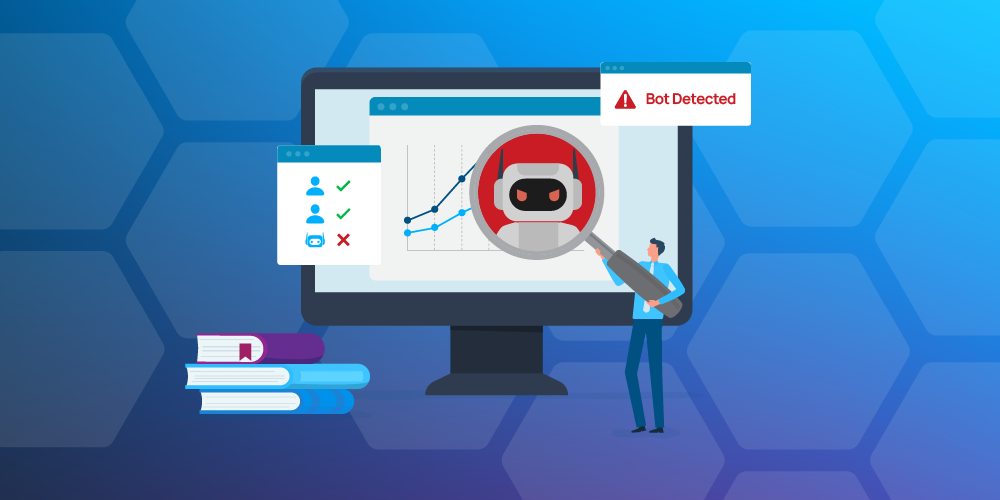
- Bot management solutions help businesses identify and stop automated traffic before it impacts analytics, advertising performance, or user experience.
- Effective bot mitigation goes beyond basic IP blocking and uses real-time validation and adaptive detection.
- Smart buyers evaluate solutions based on accuracy in marking visitors as fraudulent, real-time blocking, no disruption to user journey, and reporting visibility.
- Sophisticated bots and AI-assisted fraud require continuously evolving protection strategies.

What Are Bot Management Solutions?
Bot management solutions help businesses distinguish legitimate visitors from automated traffic. These platforms analyze incoming requests and determine whether traffic is coming from real human users or automated systems.
Not all bots are malicious. Some bots, such as search engine crawlers, serve legitimate purposes. Others are designed to commit fraud, scrape content, manipulate engagement metrics, abuse forms, or overload systems.
Common malicious bot activity includes:
- Ad fraud
- Credential stuffing
- Content scraping
- Fake account creation
- AI-assisted automation
- Inventory hoarding
- Fake clicks and low-quality engagement
As automated threats become more sophisticated, organizations increasingly rely on bot management software to protect traffic quality, revenue, analytics, and customer experience.
How Bot Management Software Works
Most bot management solutions analyze traffic using multiple layers of validation to determine whether visitors are legitimate or automated. This may include environmental analysis, IP reputation checks, device fingerprinting, and real-time threat analysis.
Once suspicious activity is identified, platforms may block requests, trigger challenges, or restrict access before the traffic impacts systems, analytics, or user experience.
Advanced bot mitigation platforms continuously refine detection models using large-scale traffic intelligence and evolving fraud patterns.
Why Basic Filtering Is No Longer Enough
Traditional bot filtering methods often rely on static rules, IP blocking, or simple signatures. That approach is becoming less effective as bots become more sophisticated.
Modern threats increasingly use residential proxies, AI-assisted automation, device spoofing, session emulation, and rotating infrastructure to mimic legitimate users and evade routine safeguards.
This is why many organizations now require adaptive fraud detection strategies instead of relying solely on baseline filtering.
What Smart Buyers Actually Look For
Choosing the right bot management platform requires more than comparing surface-level blocking capabilities. Smart buyers evaluate whether a solution can accurately detect sophisticated threats without disrupting legitimate visitors or business operations.
Detection accuracy is critical because false positives can block real users, while weak detection allows invalid traffic to distort analytics, campaign optimization, and customer experiences.
Real-time response capabilities also matter. Sophisticated bots can influence optimization systems, lead quality, and reporting before obvious issues appear. Delayed detection often means the damage has already been done.
Scalability is another major factor. Bot mitigation platforms should handle growing traffic volumes and evolving attack patterns without increasing latency or operational overhead.
Bot Management Vendor Checklist:
- Accuracy when marking a visitor as a bot
- Real-time blocking capabilities
- Traffic quality analytics and reporting visibility
- Integration flexibility with existing systems
- No disruption to the user journey
- Continuously updated fraud intelligence based on emerging attack patterns
- Ease of deployment and ongoing management
- Adaptive detection strategies that evolve with new threats
Final Thoughts
Bot management solutions play an increasingly important role in protecting websites, analytics, advertising campaigns, customer experiences, and restoring trust in data.
Organizations evaluating bot mitigation software should prioritize detection accuracy, scalability, real-time response capabilities, and continuously evolving fraud intelligence, not just surface-level blocking. A Traffic Quality Audit can help businesses better understand their current invalid traffic exposure and evaluate whether existing protections are effectively identifying and reducing automated threats.