

 Anura PR Team
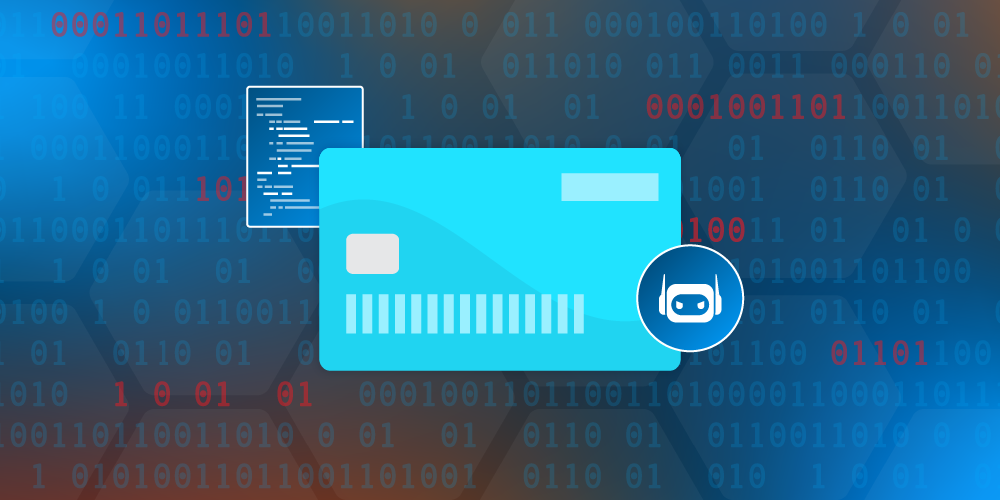
Digital skimming is the theft of sensitive data as users type it into web forms, like payment details on checkout pages, but also personal information entered anywhere else on a site. It goes by several names: e-skimming, formjacking, JavaScript injection, or Magecart-style attacks, depending on who's describing it and which technique is in play.
It works when attackers exploit a weakness in a website's code, or in a third-party script the website relies on, to plant malicious JavaScript. That code then watches form fields, captures what's typed, and quietly sends it to a server the attacker controls while the checkout process itself functions normally. When done correctly, both the customer and the merchant remain completely unaware that anything happened.

The Scale of the Problem
This isn't a niche concern. Card fraud alone is now estimated at roughly $48 billion a year, and that figure is projected to double to around $100 billion by 2027. Some of the largest data breaches of the past few years have exposed hundreds of millions of records in a single incident.
The direct costs of a data breach, like lost revenue, response resources, regulatory fines, and mandatory breach notifications, are significant on their own. But the indirect costs are harder to measure and just as damaging, including lost brand value, eroded customer trust, and reputational damage that can outlast the technical fix by years. Some companies have folded entirely within weeks of disclosing a serious breach because customers and partners simply stopped trusting them with sensitive data.
How a Digital Skimming Attack Actually Works
Most digital skimming attacks unfold in four stages:
1. Initial breach
Criminals gain access to a website's server-side code. This is usually achieved by exploiting a software vulnerability, deploying malware, or using stolen or phished credentials.
2. Code injection
Once inside, attackers inject malicious code into payment or form pages. Because more than 98% of websites rely on JavaScript to power interactive elements, it's the natural target, and attackers adapt their approach depending on whether a payment form sits directly on the page or is loaded through an embedded iframe.
3. Data exfiltration
As a customer enters payment details or personal information, the malicious script silently captures it, often encrypting the stolen data before quietly transmitting it to a remote server the attacker controls.
4. Monetization
From there, the stolen data is either used directly to make fraudulent purchases or sold in bulk to other criminals on underground marketplaces.
Types of Attacks
Magecart-Style Attacks - Magecart is a style of attack in which malicious JavaScript is injected onto a payment page to monitor and steal card data the moment a user types it in. These attacks generally take one of two forms:
- First-party attacks, where criminals gain direct access to a victim's own website and plant the skimmer themselves.
- Third-party (supply chain) attacks, where criminals compromise a vendor or tool that the target website relies on, like a chat widget, an analytics tag, or a marketing script, and use that trusted relationship as their way in. This is especially dangerous because a modern website typically loads more than a dozen pieces of third-party code, sometimes upwards of thirty, and any one of them can become an entry point.
Drive-by skimming - Attackers compromise a shared third- or fourth-party script, hoping it's used widely enough to infect many organizations at once through a single point of compromise.
Sideloading and chain-loading - Malicious code is smuggled onto a page by piggybacking on a legitimate, trusted script, making it far harder to spot because it arrives through a channel the site already trusts.
Cloud-hosted platform - Attackers plant skimming code inside legitimate cloud infrastructure or misconfigured storage buckets, letting it hide in plain sight alongside trusted services.
Public Wi-Fi - Attackers compromise vulnerable Wi-Fi routers in public spaces and inject skimming scripts into every website a connected user visits, with no direct access to the target website required at all.
E-commerce platform skimming - Attackers compromise a widely used checkout or shopping-cart platform itself, instantly gaining access to every merchant using it.
Anti-forensic, self-cleaning code – This is one of the hardest variants to catch, designed to erase itself from a page's code after execution so there's no trace left behind for defenders to find.
How Anura Stops Digital Skimming
Anura can protect organizations from digital skimming on the front end of their website in certain instances. Take the example of sideloading or chain-loading, where an attacker would plant a JavaScript function into a normal website response, triggering a malicious code fire on the server side. Anura would see in real time that the visitor has an illegitimate environment and flag it as “bad” traffic, giving the organization the ability to block that visitor before the request fires and injects malicious code. In another example, if the attacker is visiting your site looking for a vulnerability to exploit, the Anura script would block the visitor because they were displaying malicious activity. In both these and other examples above, Anura works as front-end protection to stop the fraudster before they have a chance to exploit a vulnerability on your site. It is important to note, however, that for backend protection or ongoing detection, a true cybersecurity tool would be needed since Anura doesn’t scan or analyze your backend codebase.
Anura's Take
Digital skimming succeeds because it hides in the gap between what security teams can see and what actually happens in a customer's browser. It doesn't need to breach a firewall or crack a password database; it just needs one vulnerable script, running quietly, for as long as nobody's watching. That's why visibility into what scripts are actually doing, what they're accessing, and where they're sending data has become essential for protecting against digital skimming. As commerce keeps moving deeper into the browser, so will the criminals following it. The businesses that stay ahead will be the ones that treat the browser itself as part of their security perimeter, not an afterthought outside it. Start your protection by understanding your risk and getting a free traffic quality audit today.