

 Richard Kahn

TL;DR: Ad fraud quietly drains marketing budgets while corrupting the data businesses rely on to grow. Beyond wasted spend, it inflates metrics, obscures real performance, and forces marketers to make decisions based on misleading signals rather than genuine customer behavior.
- The global cost of ad fraud now totals well over $100 billion annually, with losses projected to rise sharply as digital ad spend increases and fraud tactics evolve.
- Fraud wastes budget directly by charging advertisers for fake impressions, clicks, and installs that never reach real users.
- Invalid traffic skews analytics and attribution models, leading to flawed optimization and strategic decisions.
- Artificially inflated engagement metrics drive up customer acquisition costs as marketers compete against fraudulent traffic.
- Proactive detection, verification, and cross-channel monitoring are essential to protect ROI and restore trust in performance data.
From bot traffic to spoofed impressions and fake installs, digital ad fraud costs businesses billions of dollars annually, undermining growth strategies as it steadily drains marketing budgets.
Understanding the true ad fraud cost is essential for businesses that want to protect their ROI and make data-driven decisions. Marketers can only do so responsibly if their data reflects genuine audience engagement.
Let’s take a look at the cost of ad fraud and how to ensure your marketing budget is really working for you.
What Is Ad Fraud and Why Does It Matter?
Ad fraud occurs when bad actors generate fake interactions with digital advertising, such as fake clicks, impressions, or conversions. The goal of these fraudulent interactions is to slowly and steadily siphon off marketing spend without delivering genuine value.
Fraudulent activity can take many forms, such as:
- Botnets mimicking human browsing
- Click farms
- Domain spoofing
- Fake app installs
- And more, as fraud evolves constantly
Ultimately, these tactics distort the data businesses rely on to make budget decisions and measure their growth.
|
The Scale of the Ad Fraud Problem: Global Numbers and Trends
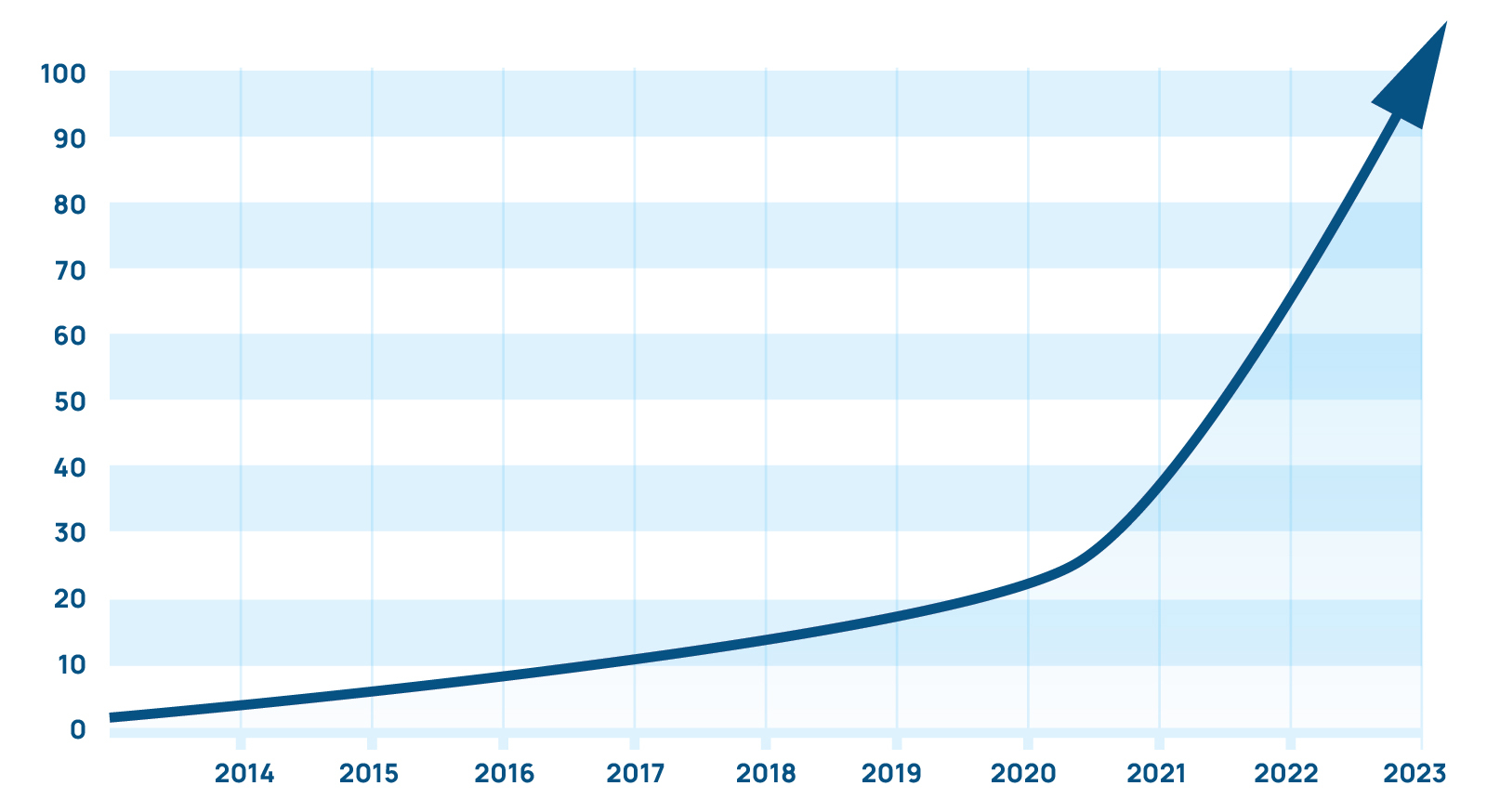
Today’s estimates show that the global cost of ad fraud has ballooned into the tens of billions. Recent industry analyses indicate:
- In 2024, Anura calculated that a minimum of $140 billion in direct losses could be attributed to fraud.
- In 2025, Anura calculated losses exceeding $165 billion worldwide. Some models project the cost of digital ad fraud may rise toward $172 billion by 2028 as fraudsters evolve tactics and ad budgets grow but Anura calculates higher losses at over $200 billion worldwide.
These figures represent real dollars diverted from attracting potential customers. Every fraudulent impression or click is a part of a budget that didn’t generate legitimate business outcomes.
How Ad Fraud Wastes Marketing Budgets
Ad fraud directly drains marketing budgets by diverting spend away from real prospects and toward invalid traffic. Every fraudulent impression, click, or conversion represents money spent with no opportunity for return. Here are the specific ways that ad fraud drains marketing budgets.
1. Paying for Fake Traffic
One of the most direct financial impacts of ad fraud is wasted spend. Advertisers pay for ads that are never seen by real humans. For example, it is suggested that bot-driven invalid traffic can account for roughly 51% of the internet. and in some networks, fraud rates are even higher. This type of online ad fraud cost erodes ROI and inflate the amount marketers must spend just to reach real audiences.
2. Skewed Performance Data
Fraud costs businesses money, but it also costs businesses insight. When fake engagements are mixed with genuine interactions, analytics become unreliable.
For example, attribution models misallocate credit. Likewise, any campaign optimization decisions made are based on flawed data. Because ad fraud clouds genuine customer behavior, all messaging and strategy decisions become flawed.
3. Increased Customer Acquisition Costs
When fraud artificially inflates metrics like impressions or clicks, businesses often have to spend more to achieve actual conversions. Instead of optimizing toward real demand, marketers end up bidding up media rates against illegitimate traffic.
Addressing the Cost of Online Ad Fraud
Mitigating the digital ad fraud cost requires a suite of anti-fraud solutions. These might include:
- Advanced detection tools that identify non-human traffic and invalid interactions in real time.
- Third-party verification and filtration to block fraudulent requests before they consume marketing budgets.
- Cross-platform monitoring to catch fraud across devices and channels.
Some businesses worry that investing in such solutions means depleting more of their marketing budget. While there is an investment up front, they also gain confidence that their campaigns are reaching genuine prospects. Their analytics gain value, and their choices yield more genuine human traffic.
Ensure your campaigns are fueling genuine business outcomes. Experience the power of Anura and discover just how much fraud you have with a free trial.